Coastal Wind Safety: Walking UK Cliffs and Beaches in Gusty Conditions
Wind on the coast does not behave like wind inland. A breeze that barely stirs the trees in a sheltered valley can shove you sideways on an exposed headland a few miles away, and the reason is not only speed. It is exposure, salt, cold and the way air is squeezed and funnelled as it crosses a cliff. Learning to read that is most of what keeps a coastal walk enjoyable rather than memorable for the wrong reasons.
What Makes Coastal Wind Different
Inland, wind is broken up by hedges, walls, trees and buildings. On a headland, the first thing a wind off the sea hits is you. It arrives over open water with nothing to slow it, which is why a clifftop path can feel a full step wilder than the forecast suggests.
The sea breeze catches people out most often. On a bright, calm morning the coast can feel almost still, then the breeze builds through the afternoon as the land warms faster than the water. A soft start is no promise of a soft finish.
Cold and wet make wind feel far worse than the number on the forecast. Add spray and you lose heat quickly, even in summer. Hands go numb before you notice, and numb hands make stiles, gates, zips and map folds suddenly awkward.
Reading the sea and the land
You can judge a lot from a sheltered spot before you commit. Streaks of darker water and scattered whitecaps show how hard it is blowing and roughly where the gusts are landing. Watch which way the spray blows off breaking waves. Look at the tops of grass and gorse: if they are bent flat and flicking, the wind is strong on the open ground even where you are standing in calm. Gulls and cormorants tend to head into wind, which gives you a quick sense of direction.
Judging Exposure Before You Set Off
Look at the gust speed, not just the average wind. Gusts are what knock you off balance, and on cliffs they come in pulses. Then think about direction: an onshore wind on a west-facing headland is a very different day from the same wind blowing offshore.
Route shape matters as much as wind strength. An out-and-back walk with a headwind on the way out gives you the same headwind on the way home, when you are tired and less steady. Where possible, plan the exposed section for the middle of the day and keep a low-level or inland alternative in mind for the return.
- What is the gust speed, not just the average?
- Is the wind onshore, offshore or running along the cliff?
- How long is the genuinely exposed stretch, and is it at the start or the end?
- Is there a beach or inland path I could use instead?
- Who is with me, and how steady are they on rough ground?
- Can I navigate without wrestling a map out in a gale?
The Cliff Edge Is the Windiest Place to Stand
Air rising up a cliff face accelerates as it reaches the top, and it arrives in eddies and shoves rather than a steady push. Add a gap in a wall, a gully or a gap between two headlands and you have a funnel. The result is that the last two metres before the edge can be twice as lively as the path behind you.
Keep back from the edge by a margin you would be comfortable with if you tripped. Undercut turf and crumbling rock are common, and a gust can take you a step sideways before you have decided to move. Walk on the inland side of the path, and if you want to look over, sit or crouch low, keep your weight back and use your hands. Do not do it while carrying a rucksack you have not tightened down.
The quiet gap trap
Gusts come in cycles. The lull in between can last long enough to convince you the worst has passed, which is exactly when people step onto an exposed edge or stop to take a photograph with both hands occupied. Treat calm moments on a windy day as gaps, not as an all-clear. The same applies to stiles, gates and awkward scrambles: get through them quickly and get moving again rather than lingering in the windiest place on the route.
Beaches, Dunes and Tide
On a beach, wind carries sand and shingle. An onshore blow stings bare legs at ankle height and gets into eyes, so sunglasses or clear glasses help more than you would expect. Dune tops are exposed; walking just behind the first ridge is often far calmer and easier on the legs.
Wind and tide work together. A strong onshore wind pushes water further up the beach and makes bigger sets of waves, so a route that is comfortably passable on a calm day can be cut off. Never turn your back on the sea for long, and watch for the occasional much larger wave rather than assuming the pattern will hold. Plan to be off tidal ground well before high water.
Remember the return leg too. Two miles into a headwind on soft sand takes far longer than two miles with it, and children and dogs tire quickly. A dog off the lead near an edge or an onshore gale will not hear you call.
Dressing for Wind That Changes Its Mind
A windproof shell matters more than a thick jumper. Something light that stops the wind will keep you warmer than bulk that lets it through, and it can come off as easily as it went on. Cinch the hem and cuffs, and tighten your rucksack straps so nothing flaps like a sail.
Hoods are essential on the tops but they cut out sound. On a clifftop you mainly need warmth; on the beach and in the surf zone you need to hear waves and your companions, so drop the hood when your ears matter more than your comfort. A close-fitting hat or a cap with a strap beats a wide brim, which lifts in a gust. Gloves earn their place well outside winter.
- Windproof shell with a hood you can tighten
- Warm mid-layer plus a spare kept dry
- Gloves and a close-fitting hat
- Map in a case, phone in a waterproof pouch
- Food and water, even on a short walk
- A head torch in case the day runs long
When to Turn Back
Decide early, and decide in a sheltered spot rather than mid-traverse. Clear signs that you should be off the tops include having to lean to stay upright, being pushed off a straight line, struggling to hear the person next to you, streaming eyes, and gusts that arrive without warning and shift you sideways. If you are holding onto a fence post to stand still, you are past the point where the cliff edge is a sensible place to be. Turning back or dropping to a lower path is good judgement, not a failed walk.
If something does go wrong, dial 999 and ask for the coastguard, and give as precise a location as you can. Coastal phone signal is patchy in places, so note your position at landmarks as you go.
A Short Routine Before You Go
Check the forecast the night before and again in the morning, noting gust speed and direction. Watch the sea from a sheltered spot for five minutes before you commit to the clifftop. Set a turnaround time and stick to it. Tell someone your route and when you expect to be back. Carry a windproof layer even when the sky looks kind.
The coast in a strong wind is exhilarating, and there is no reason to avoid it. It simply rewards people who read it properly, keep a few metres back from the edge, and treat the forecast as a starting point rather than a promise.
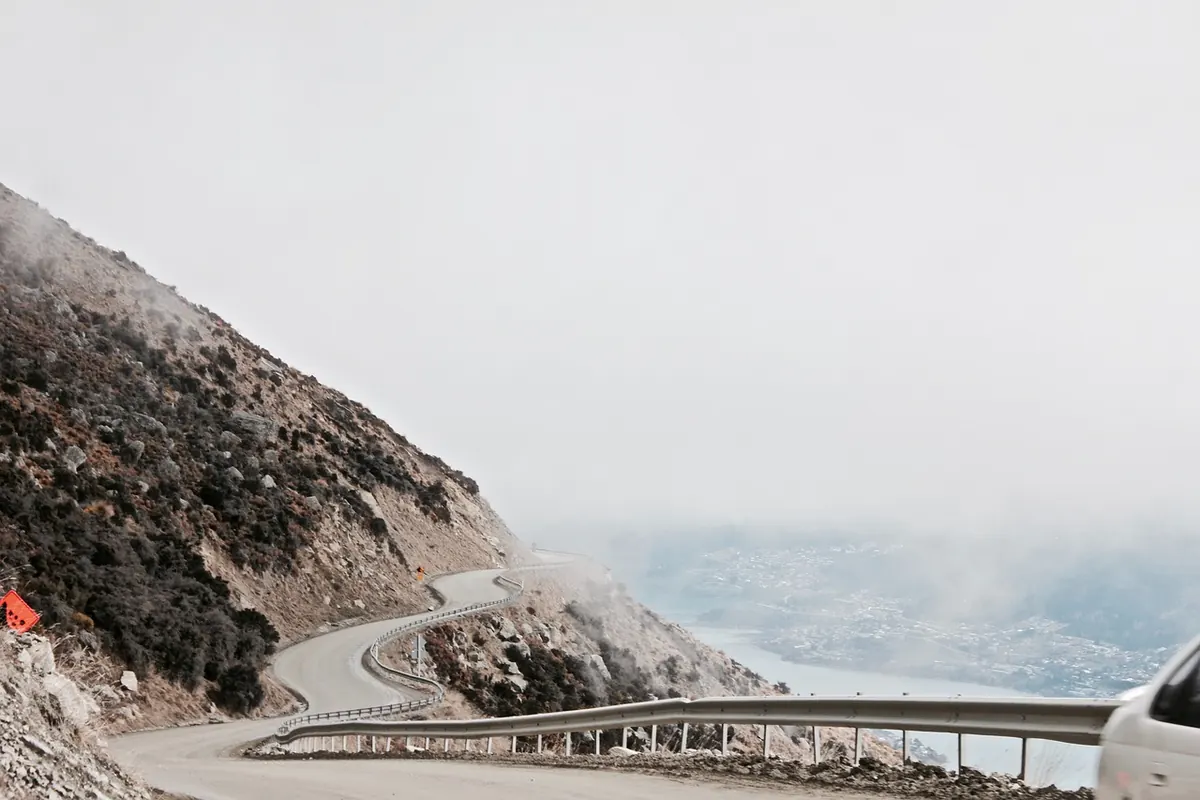
Photo: StockSnap / Pixabay