Heatwave Checklist for British Homes Without Air Conditioning
British homes are built to hold heat in. For most of the year that is a virtue: solid walls, loft insulation, double glazing and small windows keep the warmth where you want it. Come July, the same design turns a south-facing bedroom into a slow oven by the third day of a heatwave. You do not need air conditioning to get through it. You need timing, shade, water and a bit of forethought.
Before the hot spell arrives
An hour of preparation on a mild evening pays for itself for the rest of the summer. Sort these jobs out while the weather is still kind.
- Work out which room stays coolest. Usually a north-facing room, a hallway or a downstairs space. That is where you will sleep and sit if the heat drags on.
- Test your fans now. Dusty blades move far less air. Check the cable and plug while you are at it, and dig out any extension leads you will need.
- Freeze a few things. Two or three plastic bottles of water, plus a hot water bottle filled with water and left to freeze. Wrapped in a tea towel, they make excellent bed coolers.
- Check your shading. Do the blinds and curtains actually close properly? A reflective car windscreen cover or a sheet of cardboard taped inside a sunny window is a cheap, effective upgrade.
- Move the bedding. Cotton and linen sheets, not synthetic. Put the heavy duvet away.
- Plan for the people who need you. Write down the numbers of any neighbours living alone, and check that any older relative has drinking water within easy reach of where they sit.
Keeping the heat out during the day
Shut the sun out early
Close curtains and blinds on east-facing windows before the sun comes round, then on south and west windows as the day progresses. External shading works far better than internal, because once sunlight has passed through the glass the heat is already inside the room. If you have shutters, an awning or a pergola, use them. If you have net curtains and hope, add foil.
Time your windows properly
Open windows wide first thing in the morning while the outside air is still cooler than the air in the house, then close them mid-morning along with the curtains. In the evening, once the outside temperature drops below your indoor temperature, open opposite windows to create a cross-breeze. A cheap thermometer in the hallway takes the guesswork out of this: if it is hotter outside than in, keep the windows shut.
Stop adding heat
The oven, the hob, the tumble dryer, the dishwasher, the iron and the games console all warm your home. Cook early in the morning or use the microwave, a slow cooker or a barbecue. Run the dishwasher and washing machine overnight. Switch off appliances at the plug rather than leaving them on standby, and swap any remaining traditional bulbs for LEDs. One hot bath or long shower heats a small bathroom for an hour.
Cooling a room without air conditioning
A fan does not cool air; it moves it. That still helps, because moving air speeds up evaporation from your skin and makes you feel cooler than the thermometer suggests. Position fans to create flow through the house rather than simply blasting one spot. Placing a fan at an upstairs window blowing outwards in the evening can pull cooler air in from downstairs or from an open window on the shaded side.
Old tricks are worth knowing, with a caveat. A bowl of ice in front of a fan gives a small, local effect, and hanging a damp sheet in a doorway adds a little evaporative cooling — but the air in Britain is often humid already, and damp fabric in a closed room just makes it muggy. Cooling yourself works better than cooling the room: run cool water over your wrists, splash your face, and put your feet in a basin of cool water for ten minutes. That is the fastest relief available in most homes.
Sleeping through a hot night
Take a lukewarm shower shortly before bed and let yourself air-dry rather than towelling vigorously. Sleep in the coolest room in the house, even if that means a mattress on the living room floor for a few nights. If you share a bed, use separate single sheets — body heat is the main thing you are fighting.
Freeze a hot water bottle, wrap it in a towel and put it at the foot of the bed. Keep a glass of water and a damp flannel within reach so you do not have to get up if you wake at three in the morning. Open windows only where it is safe to do so; on the ground floor, use a window restrictor or leave a smaller gap. Skip the nightcap: alcohol makes you feel drowsy and then wakes you up sweating.
Spotting heat exhaustion and knowing when to call for help
Heat exhaustion creeps up on people. Watch for a headache, dizziness, nausea, muscle cramps, heavy sweating, pale clammy skin, a fast pulse, and a general feeling of weakness or thirst. Someone in that state needs to be moved to a cool room, laid down with their legs slightly raised, have excess clothing removed, and be cooled with damp cloths and a fan. Give them water or a rehydration drink to sip. If they are still unwell after half an hour of resting and cooling, seek medical advice — call NHS 111.
Heatstroke is a different matter and is a medical emergency. Warning signs include skin that is hot and dry rather than sweaty, confusion or slurred speech, a severe headache and a very high body temperature. Call 999, start cooling the person with whatever you have — wet towels, a cool shower if they can stand, a fan — and do not give drinks to anyone who is drowsy or unconscious.
This is general guidance rather than medical advice. If you take medication that affects sweating or fluid balance, or you live with a heart, kidney or lung condition, ask your GP or pharmacist how heat affects you before the hot weather arrives.
Check on the people around you
Some people struggle in heat long before others notice it: older adults, babies and young children, pregnant women, anyone with a long-term health condition, and anyone living alone who might not think to drink. People who work outdoors or who sleep rough are at risk too. A quick knock, a phone call or a text once a day is enough, and it helps to know what you are looking for. If someone seems unusually drowsy, confused or unsteady in the heat, treat it as serious. Pets need the same attention — shade, fresh water, walks early or late on cool pavement, and never a car, not even for two minutes.
Your heatwave routine, in short
Repeat this rhythm each day and the heat becomes manageable rather than miserable.
- Early morning: open the windows wide, get the washing and any cooking done, water the garden.
- Mid-morning: close windows, draw curtains on sunny sides, shut off unnecessary appliances.
- Afternoon: stay in the coolest room, drink regularly, cool your wrists and feet, check on anyone vulnerable.
- Evening: reopen windows once it is cooler outside, take a lukewarm shower, chill the bedding.
- Night: sleeping in the coolest room, light bedding, water within reach, phone charged nearby.
Most British heatwaves last a few days. Treat it as a short, well-planned campaign rather than an endurance test, and be generous with the checks you make on other people — they will return the favour when the next one arrives.
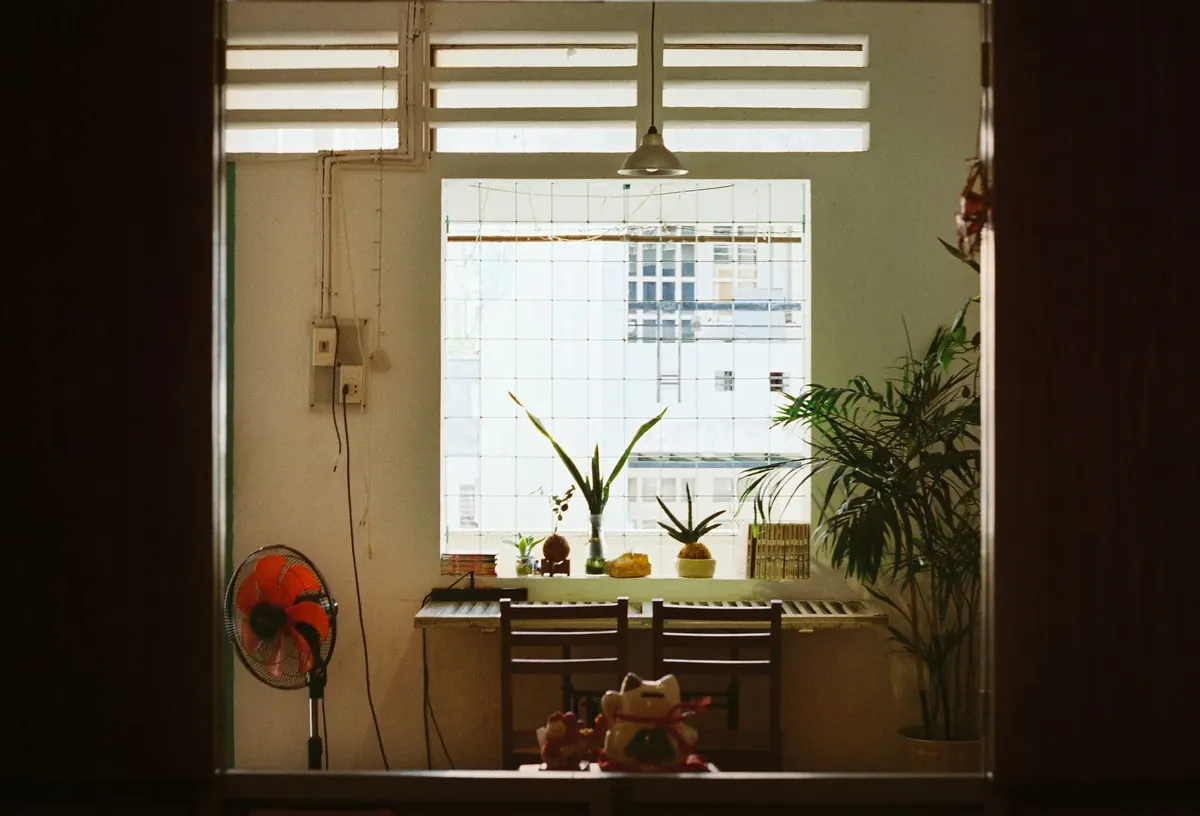
Photo: Nam Quân Nguyễn / Pexels